


Geneva Airport sees full traffic recovery and strong long-haul demand
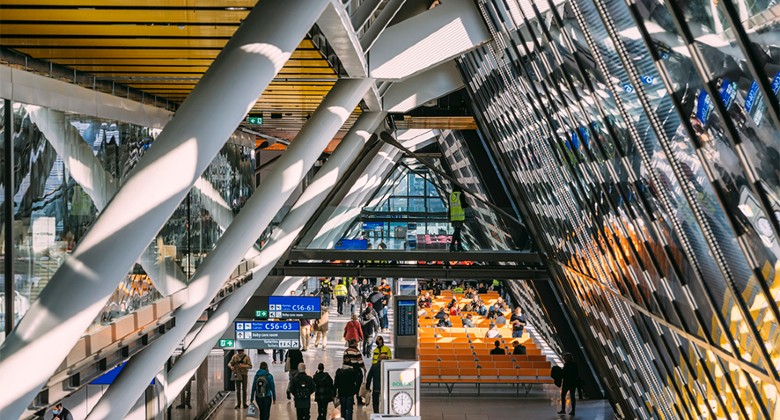
Geneva Airport (GVA) ended 2024 with traffic levels nearly back to pre-pandemic figures. Some long-haul markets have even surpassed previous levels, particularly the North Atlantic sector, which has seen substantial growth thanks to five daily services. Other nonstop routes, to the Gulf, China, and Africa, have also performed strongly.
This demand is driven by Switzerland’s resilient economy, especially in key sectors such as finance, trading, watchmaking, luxury goods, and fine chemicals. Geneva’s diplomatic activity is another major driver, ensuring a steady flow of year-round travellers. Additionally, strong leisure demand is fuelled by the significant purchasing power within GVA’s catchment area, which is notably higher than in neighbouring countries.
Despite these positive trends, Geneva Airport still has untapped potential in several intercontinental markets, particularly in Asia and the Americas. Singapore stands out as the most promising opportunity, with strong business, diplomatic, and leisure demand. Other attractive routes include Singapore, Tokyo, Seoul, Hong Kong, and São Paulo in South America, as well as Boston, Toronto, Chicago, Miami, and Mexico in North America, all of which show high-yield passenger demand.
“NewGen” incentive
As part of its sustainability strategy, Geneva Airport offers various incentives, including significant reductions in airport charges for airlines operating “NewGen” aircraft (B787, A350, A320neo, and MAX series). The latest airline to benefit from this program is Air China, which has upgraded its GVA service for the W24/25 season to an A350-900. This switch to a more modern aircraft is expected to save the airline an estimated EUR 365,500 annually.
Terminal upgrade planned
GVA plans to invest EUR 740 million over the next few years to enhance the passenger experience. The “CAP 2030” project, which will be implemented in two phases, aims to improve operational efficiency, working conditions, safety, comfort, and accessibility. Construction will proceed without disrupting ongoing airport activities. Phase one will focus on renovating the existing terminal, while phase two – set for completion by 2032 – will add a 40,000-square-meter extension to accommodate most operational activities in the new facility. The final phase will involve reconstructing the remaining sections of the existing terminal.
