


King Salman International Airport, introduces a new vision, connecting Saudi Arabia to the rest of the world
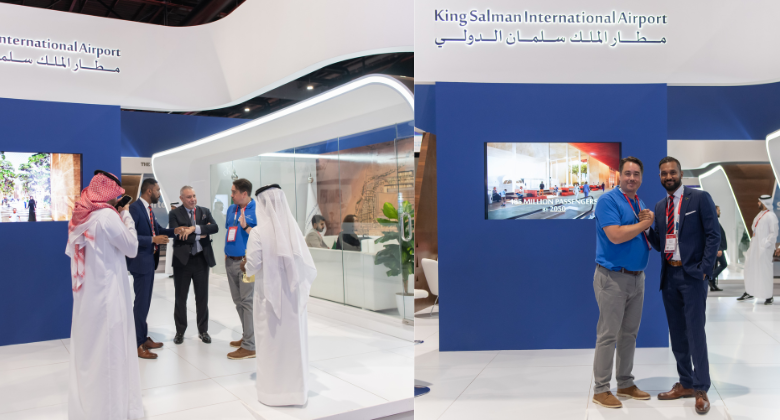
As Saudi Arabia continues its journey towards Vision 2030, the ambitious development of King Salman International Airport (KSIA) is set to be a cornerstone of the Kingdom’s transformation. Positioned to become one of the world’s largest aviation hubs, KSIA will not only redefine the travel experience for millions of passengers but will also serve as a critical driver of economic growth and global connectivity. Speaking to Air Service One, the leadership behind this mega-project shares insights into its strategic vision and how KSIA is poised to impact the region’s logistics landscape, enhance the tourism sector and create new opportunities for private investment, while elevating the passenger journey.
Can you share the vision of King Salman International Airport and how you believe it will transform the region’s economic and logistics landscape?
King Salman International Airport will be a destination – a capital city airport for a major, rapidly expanding economy, and an integral part of Riyadh’s commercial, social and cultural landscape. It will be a gateway connecting Saudi Arabia to the region and the global community – a world-class aviation hub that benefits the traveller’s business and community.
The airport will be critical to the regional logistics network. By significantly enhancing infrastructure for both passenger and cargo transport, we’re setting the stage for increasing international trade – attracting investment, supporting the aviation sector, and diversifying Saudi’s economy.
Then there’s tourism, Saudi Arabia successfully welcomed over 100 million tourists last year. Riyadh’s strategic location and amazing cultural and entertainment offering will establish KSIA as a preferred destination for international travellers. This will increase direct tourism and improve the visibility and accessibility of the region to a global audience.
It has been previously mentioned that KSIA will be a destination, what does that mean?
Our focus is on crafting a distinctive and memorable destination for not only passengers but also Riyadh’s locals and its visitors. Every decision we make is driven by a desire to enhance their experience of coming to and being at the airport. We want to make everyone who passes through our gates feel looked after and welcomed with the Saudi sense of generosity (Hafawah). At every point in the design, building and operation of the airport we are asking ourselves can this be done in a different, better or more human-centric way – from check-in halls to security screening streams, retail and departure infrastructure. The aim is for us is to build a destination that our visitors will enjoy and stay at for a longer time with joy.
What is KSIA’s role regionally and internationally in connecting the east and west… and how will it encourage the private sector to invest more and contribute to the Saudi economy?
- Saudi Arabia’s strategic location at the crossroads of Europe, Asia, and Africa makes King Salman Airport a critical hub for air traffic between the east and the west. By enhancing its capacity, the airport will become a key transit point for passengers and cargo moving between major international markets, reducing travel time and logistical challenges.
- The development of the airport will offer significant opportunities for private sector participation through PPP models. This includes investments in infrastructure, airport services, retail, and logistics.
- As the airport expands, it will create a wide range of jobs in construction, aviation, logistics, and service industries, boosting local employment.
- The increased connectivity will bolster non-oil sectors such as tourism, trade, and services, contributing to the diversification of Saudi Arabia’s economy.
- The airport will enhance the Kingdom’s logistics sector by facilitating faster, more efficient trade routes, making Saudi Arabia a key player in global supply chains.
The new airport will be Riyadh Air’s operational hub in Saudi Arabia. Could you tell me the extent of the partnership and how this arrangement will mutually benefit both companies, especially in creating a super hub?
Our alliance with Riyadh Air goes beyond mere cooperation; it’s a strategic partnership. An alliance poised to reshape the aviation sector in Saudi Arabia and across the Middle East. This partnership is about envisioning a future where Riyadh becomes a pivotal player in the global economy, driven by innovation, shared ambition, and connectivity.
The partnership with Riyadh Air means we have a world-class airline at the centre of our operations. The airline’s modern fleet and ambitious route expansion plans will drive passenger traffic through our terminals, enhancing Riyadh’s position on the global aviation map.
For Riyadh Air, the choice of King Salman International Airport as its base offers top-tier facilities and a prime location at the nexus of major global air routes. This airport will offer an unparalleled passenger experience and smooth transfers to an expansive and continuously growing network of international destinations. A world class airline deserves a word class airport.
Following on from the previous question… with a new airport in development and a new airline taking off, how are you leveraging a partnership free from legacy concerns?
There is something to be said about a clean slate. It gives us greater flexibility and opportunity to make the right decisions and to be bold. We and Riyadh Air are starting with identical objectives and an understanding of what each of us wants to achieve, so there’s a deep synergy between us.
More than simply seeking superficial differences that set us apart from competitors, are intent on challenging the conventional models of airport operations and have the desire to fundamentally redefine air travel, both on the ground and in the air.
We want to remove all the legacy and look at the passenger journey, from pre-airport to flight, in a new way. Anchored around human centricity, we want to put passengers securely and safely on planes, but we also want to change the experience and the way people interact with the airport – making it a stress-free, pleasurable experience, and a culturally rewarding part of their journey. These efforts toward building a legacy that serves not only passengers but also the national carriers.
When will KSIA open?
We are just about to start the construction phase and will then set the timeline for the operation and launch of the airport. As the phases are completed there will be a progressive and significant increase in the airport’s capacity leading up to Expo 2030, when we will be ready to handle visitors to this extremely important event.
